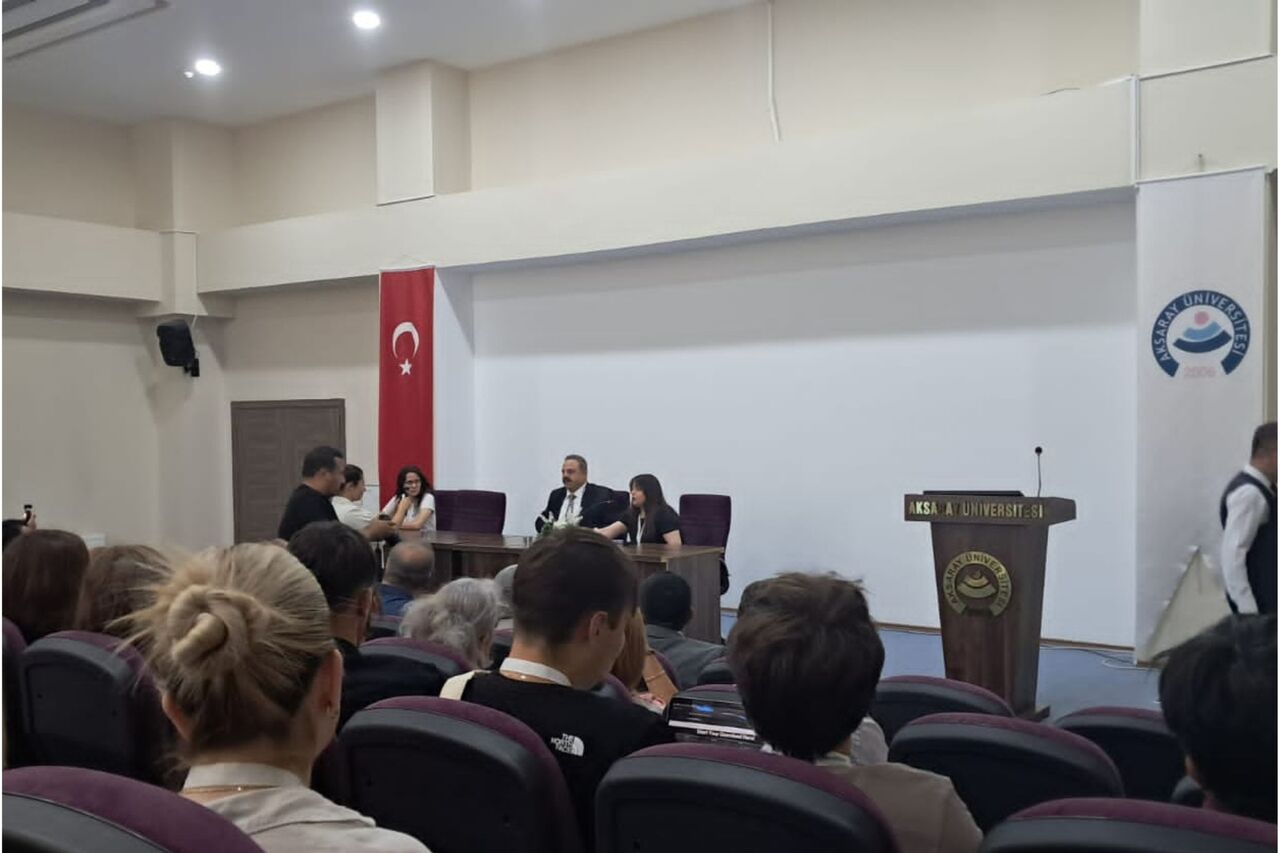
International cooperation, modern educational methods, project work, and discovering other cultures—these are the exact elements that shaped the participation of University of Lomza students in another Blended Intensive Programme (BIP). Three students from the Faculty of Computer Science and Technology represented our university during the "21st Century Skills for All" program, organized by Aksaray University in Turkey. Their multi-day stay in central Anatolia allowed participants not only to expand their knowledge and develop future competencies, but also to experience how a foreign university operates and to establish international contacts.
The first day of the program was dedicated to exploring Aksaray University, one of the dynamically developing universities in central Anatolia. The sprawling campus, modern infrastructure, and teaching facilities made a huge impression on the participants. The program began with meetings with university authorities, academic staff, and students from other countries, followed by lectures devoted to modern methods of educating people with disabilities. Discussions regarding the inclusive educational model and the exchange of experiences between participants representing different higher education systems were also an important element. On the second day, the students visited a specialized center supporting people with disabilities. The visit provided insight into solutions applied in the fields of rehabilitation, education, and social integration. Participants had the opportunity to observe the daily work of the facility, talk with its staff, and take part in a birthday celebration for one of the residents. It was an experience that drew attention to the importance of empathy, accessibility, and social responsibility in the modern educational system.
The next stage of the program included an official meeting with the Rector of Aksaray University and the commencement of project work. Working in international teams, students developed the concept of an educational game supporting the learning process, while simultaneously developing competencies in intercultural cooperation, creative problem-solving, and designing modern educational tools. The program was complemented by workshops and practical classes aimed at developing skills essential in the contemporary labor market. An integral part of the stay was also exploring Turkey's cultural heritage. Participants visited Cappadocia, a region famous for its unusual rock formations and rich history. The program included touring an underground city, visiting a historic, still-functioning pottery workshop, and meeting local artisans who cultivate centuries-old traditions. The day concluded with an ATV ride, during which students could admire the characteristic landscape of this unique region.
The final days of the program were devoted to classes on website design using the Weebly platform and a summary of the outcomes of their collaborative work. The official closing ceremony was an opportunity to exchange experiences, recap the acquired competencies, and discuss prospects for further international cooperation. The students unanimously emphasized that one of the most valuable aspects of the trip was the exceptional hospitality of the hosts and the atmosphere of openness that accompanied all program participants.
Following the academic part, the University of Lomza delegation used their free time to explore the region, visiting defense industry trade fairs organized in Aksaray and the famous Red Lake. The participation of University of Lomza students in the Blended Intensive Programme once again confirmed that Erasmus+ mobilities represent much more than just the opportunity to study abroad. Above all, they offer a chance to acquire practical competencies, work in an international environment, discover alternative teaching methods, and develop skills valued by contemporary employers. Equally important aspects include building relationships, exchanging experiences, and discovering the culture and traditions of partner countries.